OUR HISTORY
Humble Beginnings
You have to start somewhere.
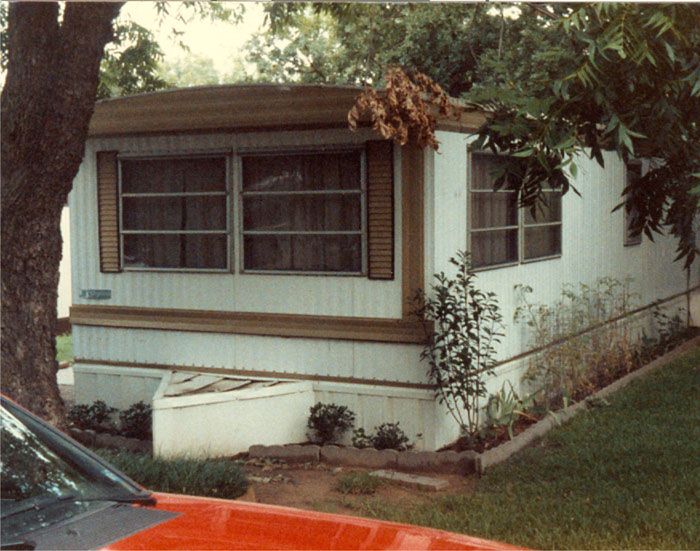
ACP began as American Communication Products in April of 1986. We started in a 1972 model single-wide trailer house.
This was before trailers improved to mobile homes, and before mobile homes improved to manufactured housing.
This was a trailer house.
We bought it used. The dining room soon became the world headquarters of ACP International.
Here's a photo. If you think the outside looks good, you should have seen the inside.
We manufactured just two products. It wasn't much, but it was a start. We reinvested every dollar we could back into the business and slowly expanded from there.
ACP THROUGH THE YEARS
We didn't grow overnight.
We grew one customer, one employee, one building, and one expansion at a time.

Great People
One decision put us on the path for even greater success.
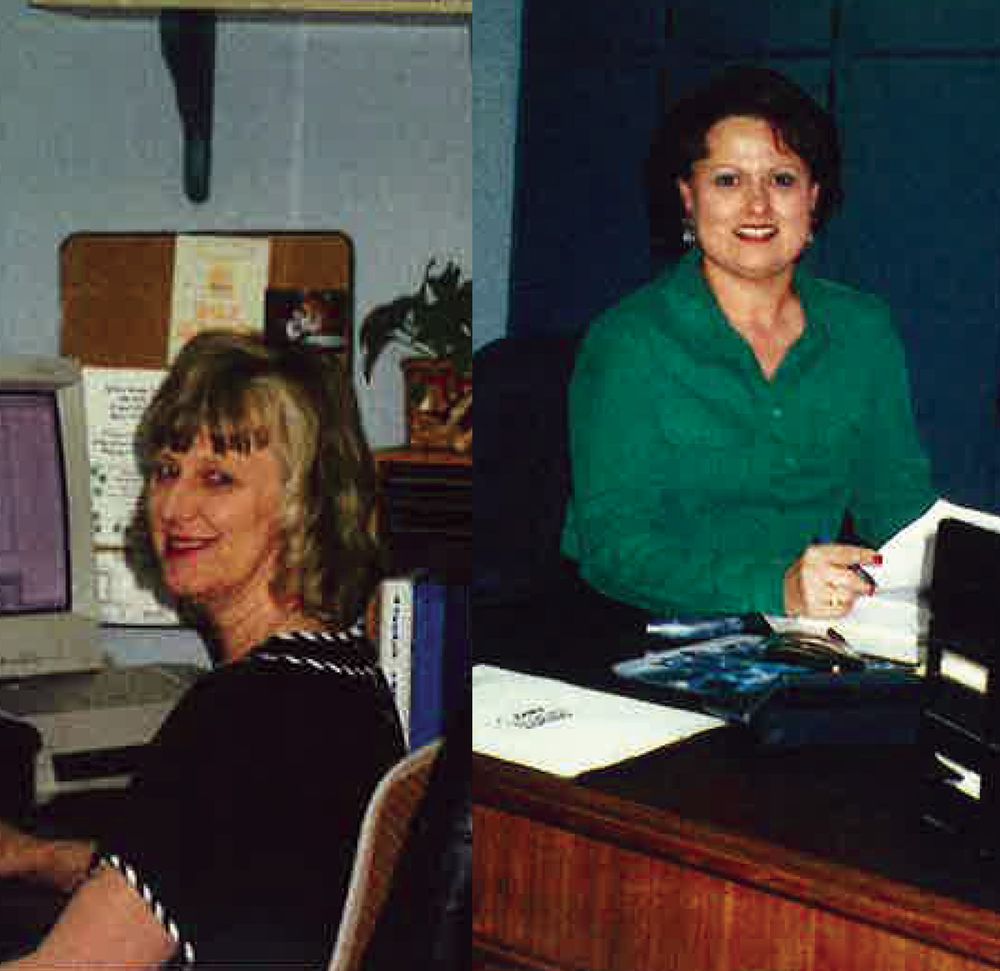
We hired our first employees.
Judy Schuchman and Ginger Biagiotti were among the first to join ACP, helping establish the kind of company we wanted to become.
We've been fortunate to have many long-tenured employees over the years. Next time you talk with someone at ACP, ask them how long they've been here. It's one of the things we're most proud of.
The ACP Family
Growth doesn't always come from building something new. Sometimes it comes from recognizing the value of something that's already been built.
Over the years, we've welcomed several outstanding companies into the ACP family. Each brought new products, new capabilities, and great people—and gave our customers more ways to get the job done.
More Than an Acquisition
The best business relationships are built on trust.
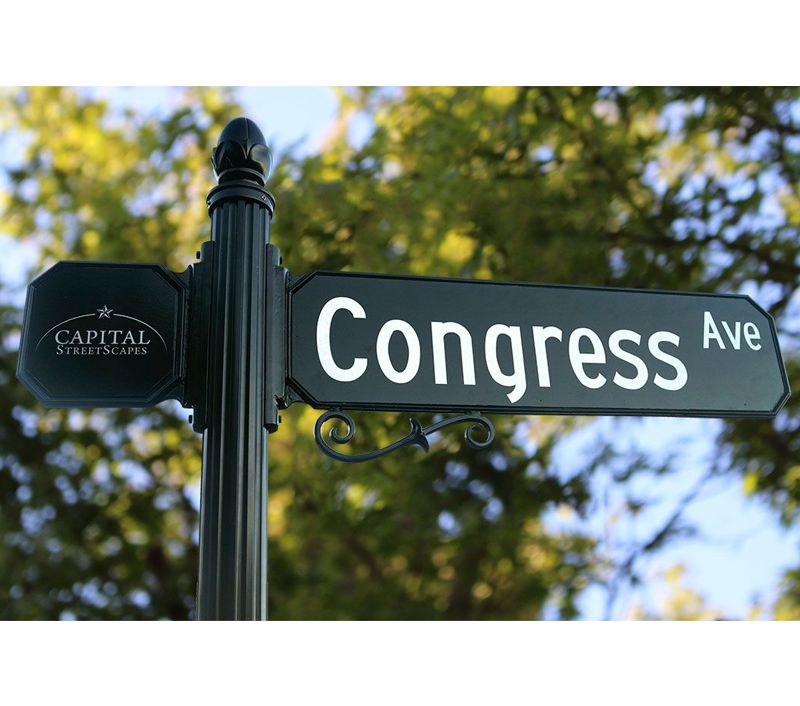
When we acquired Capital StreetScapes in 2022, we gained more than a new product line. We gained the opportunity to
continue the legacy of a company built by good people—and help its customers move forward without missing a beat.
Founder Ray Styles wasn't just focused on selling his business. He was focused on helping it succeed long after the sale. He shared his knowledge, taught us the details of the business, and helped ensure a smooth transition for customers and employees alike.
"Business works so much better when every party works for mutual benefit rather than just their own."
— Joe
That philosophy continues to guide how we do business.

Your Sign & Identification Experts
Tell us what you're trying to accomplish. We'll help you find a solution.
Whether you need utility markers, signs, decals, labels, or something custom, we're here to help you get the right product for the job.
We know our products. We know manufacturing. And when you're not sure what you need, that's where we come in.
Our goal is simple: make it easier for you to get the job done.
A Legacy of Great American Brands
Some of the companies we're proud to call family have histories that reach back much further than ours.
Today, we're honored to carry those legacies forward and give our customers access to the experience, products, and capabilities they've built over generations.
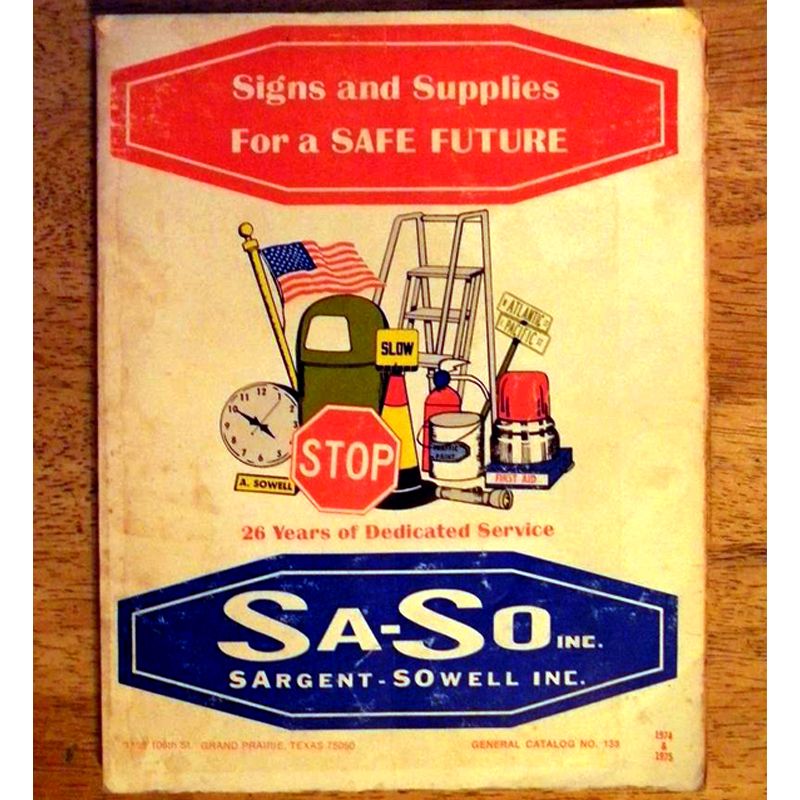
SA-SO
Founded in 1948, SA-SO spent decades serving schools, municipalities, and small towns across America through its iconic mail-order catalogs.
Traffic signs were a big part of the business, but SA-SO also sold some things that might surprise you.
Dog catcher nets. Ambulance stretchers. Pickup truck-based fire trucks. Even kerosene road flares that looked like something Wile E. Coyote might have ordered.
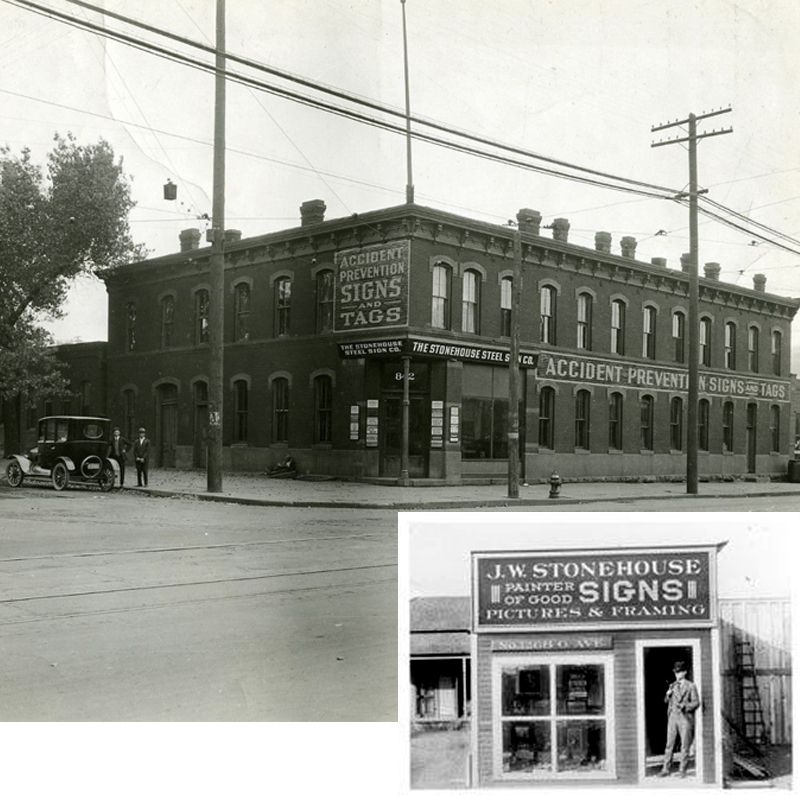
Stonehouse Signs
When Stonehouse Signs joined the ACP family in 2020, it redefined what "history" meant to us.
Founded in 1863, Stonehouse Signs has been in business through five generations of family ownership. Along the way, the company helped shape the industrial safety sign industry.
In the early 1900s, J.W. Stonehouse recognized the need for standardized safety communication in the mining industry. His work helped establish safety sign standards that included the familiar Danger, Caution, and Notice panels still recognized today.
Stonehouse continued to innovate for generations, including becoming one of the first sign manufacturers to use computer-aided design.
Today, we're proud to continue the legacy Jeff Stone, Becky Stone-Roche, and generations of the Stonehouse family built over more than 150 years.
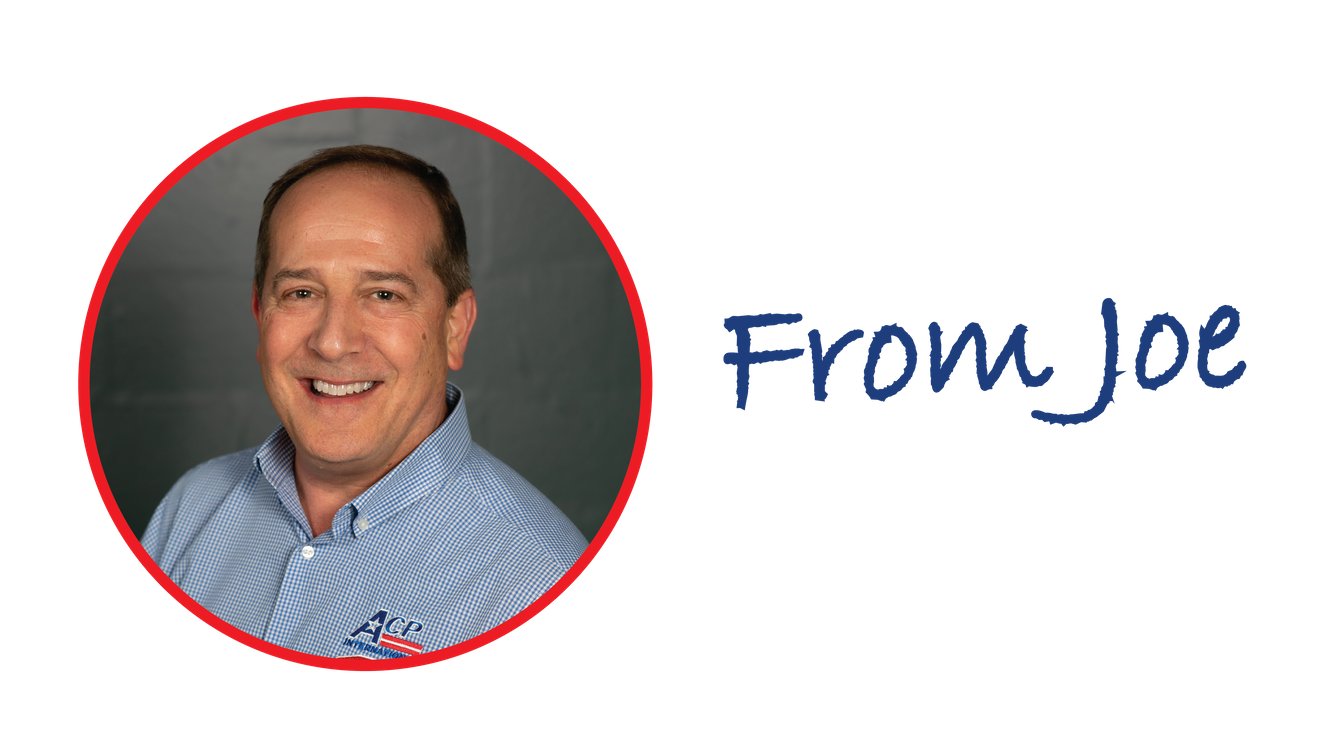
"We're still hoping to acquire a company that started in the 1700s. We realize that's probably a long shot.
Until then, some of Capital StreetScapes' products look like 300-year-old cast iron. We can pretend."